






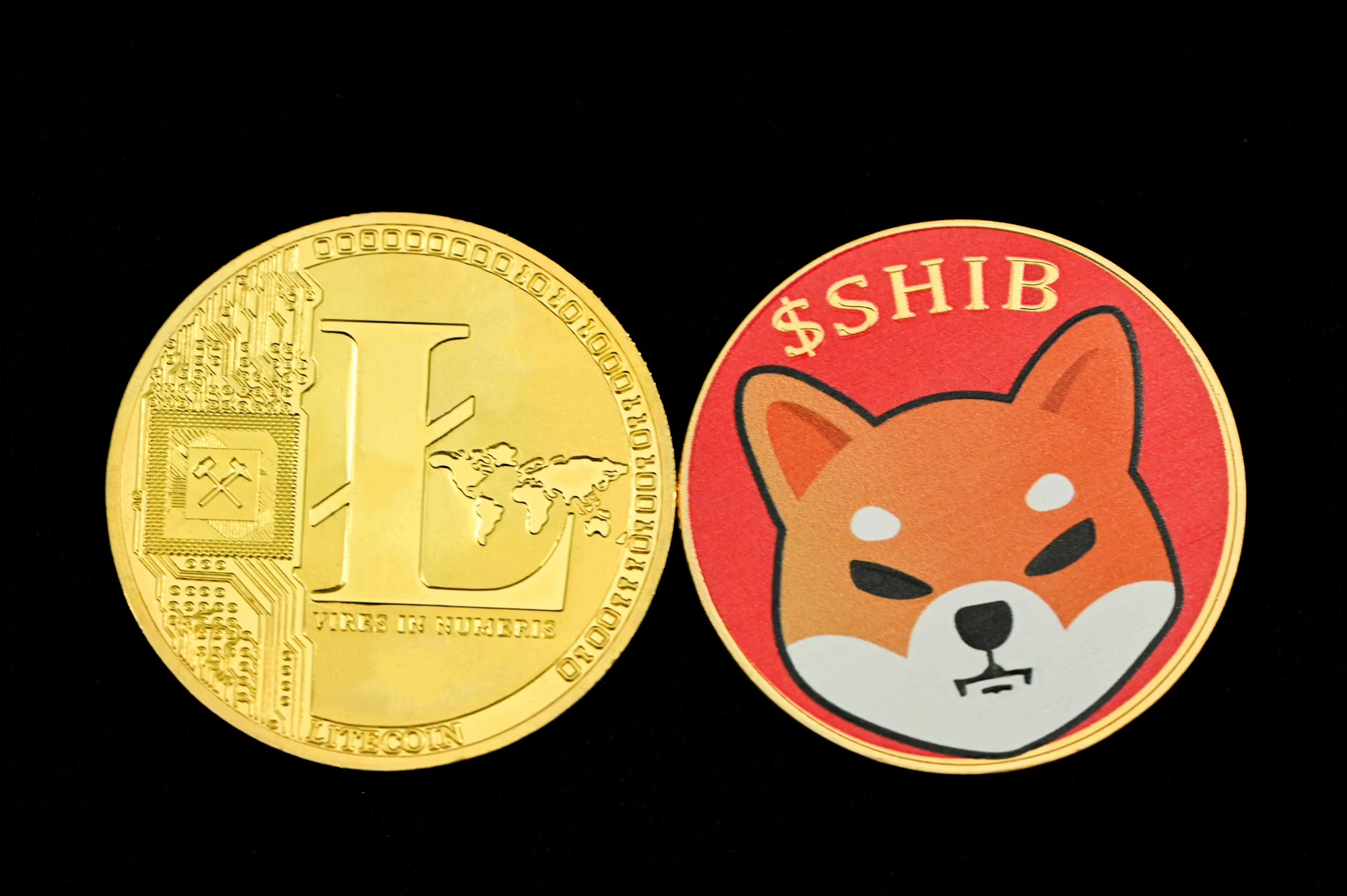

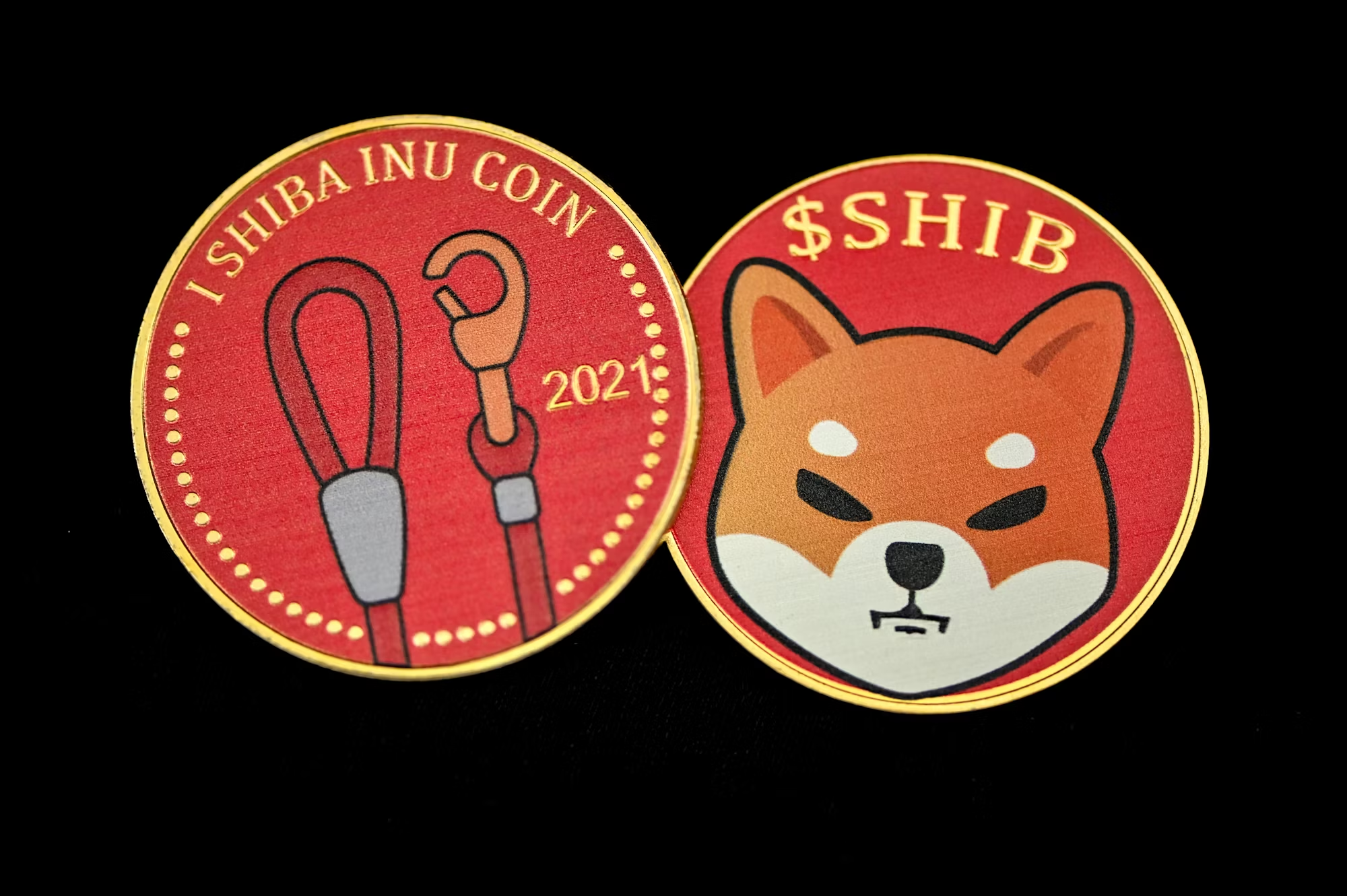
Cryptocurrency has rapidly transitioned from a niche interest to a significant player in the global financial landscape. With the rise of Bitcoin and thousands of altcoins, this digital currency phenomenon is reshaping how individuals and businesses interact with money. As traditional finance grapples with digital innovation, understanding the multifaceted world of cryptocurrency becomes essential for anyone looking to navigate this evolving environment. This article examines the growing role of cryptocurrency in modern finance, detailing ways individuals can earn and engage with these digital assets.
The Rise of Cryptocurrency
The inception of Bitcoin in 2009 marked the beginning of a revolutionary shift in financial technology. Initially regarded as an experimental digital currency, Bitcoin paved the way for an expansive ecosystem of cryptocurrencies. These digital currencies operate on decentralized blockchain networks, allowing for secure and transparent transactions without intermediaries.
Today, cryptocurrencies are more than just speculative investments; they represent an innovative approach to finance that challenges traditional banking systems. With the market capitalization of cryptocurrencies reaching trillions of dollars, their influence cannot be overlooked. Understanding this landscape is vital for those interested in harnessing the potential of digital currencies.
Earning Through Cryptocurrency Mining
One of the most direct methods of earning cryptocurrency is through mining. This process involves using specialized computer hardware to solve complex mathematical problems, thereby validating transactions on a blockchain network. Miners are rewarded with newly created coins and transaction fees, creating an incentive to maintain the network’s integrity.
While Bitcoin mining has become highly competitive and requires substantial investment in hardware and electricity, many altcoins offer more accessible mining options. Individuals interested in mining should research different cryptocurrencies and their respective mining algorithms. Joining mining pools can also enhance earnings, as collective efforts increase the chances of successfully mining blocks.
Freelancing in the Crypto Space
As cryptocurrency gains acceptance, many freelancers are choosing to accept digital currencies as payment for their services. Platforms like Upwork and Fiverr are increasingly accommodating users who wish to receive payments in Bitcoin or other cryptocurrencies. This trend allows freelancers to tap into a broader client base, especially among those who prefer to transact using digital assets.
Accepting cryptocurrency can provide a competitive edge, enabling freelancers to attract clients who are enthusiastic about blockchain technology. This growing acceptance of cryptocurrency in the gig economy not only facilitates seamless transactions but also minimizes fees associated with traditional payment methods.
Exploring Decentralized Finance (DeFi)
Decentralized finance, or DeFi, is reshaping the financial landscape by offering traditional services like lending, borrowing, and trading without intermediaries. Utilizing smart contracts on blockchain networks, DeFi platforms provide greater accessibility and lower costs compared to traditional finance.
For those looking to earn passive income, DeFi offers exciting opportunities. Users can lend their cryptocurrency to borrowers through platforms like Aave or Compound, earning interest on their holdings. Additionally, liquidity providers on decentralized exchanges (DEXs) like Uniswap can earn trading fees based on their contributions. While the potential rewards are appealing, participants must be aware of the inherent risks, including smart contract vulnerabilities and market volatility.
Staking for Passive Income
Staking has emerged as a popular alternative to mining, allowing users to earn rewards by participating in network operations. In proof-of-stake (PoS) networks, individuals can lock their cryptocurrency in a wallet to support the network’s security and operations, earning rewards in return.
Many cryptocurrencies now offer staking options, providing holders with the chance to earn passive income without the complexities of mining. However, potential stakers should research different platforms and understand their requirements, including lock-up periods and potential rewards. With proper research, staking can become a reliable source of income for cryptocurrency enthusiasts.
The Boom of Non-Fungible Tokens (NFTs)
Non-fungible tokens (NFTs) have gained immense popularity, creating new revenue streams for artists, creators, and investors alike. NFTs represent unique digital assets that allow individuals to buy, sell, and trade items like artwork, music, and virtual real estate on blockchain platforms. This innovation not only redefines ownership but also empowers creators to monetize their work in unprecedented ways.
Artists can mint their creations as NFTs, maintaining control over their intellectual property while reaching a global audience. Investors can purchase NFTs with the hope of appreciation in value, adding a new dimension to the collectibles market. As the NFT space continues to expand, understanding its dynamics is essential for those looking to participate.
Affiliate Marketing in Cryptocurrency
Many cryptocurrency exchanges and platforms offer affiliate programs, allowing individuals to earn commissions for referring new users. By promoting a service or product, affiliates can earn Bitcoin or other digital assets for every successful sign-up or transaction made by their referrals. This model is particularly attractive for those with a strong online presence, such as bloggers or social media influencers.
Affiliate marketing provides a low-barrier opportunity to earn cryptocurrency, especially for those already engaged in the digital finance space. By sharing insights, reviews, or educational content about cryptocurrency products, individuals can monetize their expertise while contributing to the community’s growth.
Day Trading: Navigating the Market
For those with a keen understanding of market dynamics, day trading can be an exciting way to capitalize on short-term price movements in the cryptocurrency market. This strategy involves buying and selling cryptocurrencies based on market trends and requires a deep understanding of technical analysis and market sentiment.
While day trading can yield significant profits, it also carries inherent risks. The cryptocurrency market is notoriously volatile, and traders must be prepared for sudden price fluctuations. Developing a robust trading strategy, setting clear risk management guidelines, and staying informed about market trends are crucial for success.
Running a Full Node: Supporting the Network
Another avenue for engaging with cryptocurrency is by running a full node. Full nodes are essential for maintaining the integrity and security of a blockchain network. By validating and relaying transactions, individuals contribute to the decentralization and resilience of the network.
While running a full node does not directly earn cryptocurrency, it supports the ecosystem and helps maintain the network’s health. Some networks may offer incentives for running nodes, providing rewards to participants. This involvement can foster a deeper understanding of the technology and strengthen one’s connection to the cryptocurrency community.
Conclusion: Embracing the Future of Finance
The increasing prominence of cryptocurrency signifies a major shift in the way we view finance. From mining and staking to freelancing and NFTs, numerous opportunities exist for individuals looking to earn and engage in this digital revolution. Embracing the world of cryptocurrency requires a willingness to learn, adapt, and explore, but the potential rewards are significant for those who navigate this dynamic landscape thoughtfully.